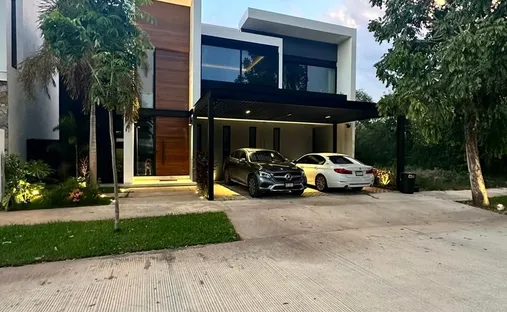
There is a particular quality of light in Mérida just before sunset — a molten, copper glow that settles across limestone façades and makes even the most practical conversation feel cinematic.
It is in that light that many life decisions are quietly made.
Over the past decade, a migration has been unfolding toward this Yucatán capital. Not dramatic. Not chaotic. But steady and deliberate.
Retirees from Toronto. Entrepreneurs from Austin. Remote executives from California.
They arrive curious. They leave calculating. And many return with contracts in hand.
Why Mérida? Why now?
Before price per square meter, before renovation budgets, before ROI projections, comes the elemental question: Is it safe?
Mérida has cultivated a reputation rare in contemporary urban discourse. Evening walks feel unremarkable — in the best sense.
Families linger in plazas beneath cathedral shadows. Restaurants spill onto sidewalks without tension.
Safety here is not merely statistical. It is experiential.
“Safety is not a statistic here. It is a sensation.”
For foreign buyers, this atmosphere transforms the psychology of investment.
Confidence compounds. Long-term planning becomes rational rather than risky.
Property becomes less a gamble and more a strategy.
Yet security alone does not fuel migration. Economics does.
Compared to many North American cities, Mérida offers recalibrated value.
Property taxes that feel almost symbolic. Healthcare that is accessible and modern.
Architecture with gravitas — without Manhattan pricing.
And then there is climate.
Yes, summer in Mérida is unapologetic. Temperatures crest high from May through September.
Humidity demands adaptation. But the city is built for its geography — thick masonry walls, shaded courtyards, reinforced concrete structures engineered for resilience.
Storm season inspires questions, yet Yucatán’s geography provides natural insulation from many severe systems that batter other coastal regions.
What surprises newcomers most is not the heat — but the rhythm it imposes.
Mornings sharpen. Afternoons soften. Evenings bloom.
In those evenings, beneath cathedral light and live music drifting through plazas, one begins to understand why curiosity becomes commitment.
Still, not every purchase is wise.
Each year, foreign buyers make predictable errors. They assume legal systems mirror those of their home countries.
They underestimate closing costs — typically five to eight percent.
They fall in love with colonial arches without inspecting plumbing.
And perhaps most frequently, they misunderstand the fideicomiso — the bank trust required for coastal purchases.
It is not a forfeiture of ownership. It is a legal structure granting full beneficiary control.
Clarity here prevents anxiety later.
“Romance must be balanced by rigor.”
Mérida rewards informed buyers. The northern corridor expands with hospitals, gated communities, and modern infrastructure.
Centro offers architectural prestige and walkability.
Beach towns provide horizon-driven serenity.
This diversity is not accidental. It is strategic.
The Americans and Canadians relocating are rarely impulsive expatriates.
They are analytical. Financially literate. Culturally curious.
They compare Austin valuations. They calculate Toronto taxes. They weigh Miami volatility.
What they find here is equilibrium.
A colonial residence here may cost less than a condominium in many major U.S. cities.
A modern gated property with a pool may fall comfortably within reach of a retirement portfolio.
Safety supports value. Infrastructure supports growth. Culture supports permanence.
And culture here is not decorative. It is lived. Mayan heritage underpins daily life.
Festivals animate streets. Gastronomy evolves quietly rather than theatrically.
Migration trends rarely remain static. As remote work solidifies and retirees prioritize quality over proximity,
cities like Mérida become gravitational.
“In real estate, safety is currency. In Mérida, it is abundant.”
No city is without compromise. Heat requires adjustment. Bureaucracy requires patience.
Cultural nuance requires humility.
But these are filters — not barriers.
The buyers who thrive approach the process seriously.
They conduct inspections. Verify title. Understand acquisition taxes.
Engage local expertise.
Mérida is not a speculative boomtown. It is a measured ascent.
Appreciation has been steady rather than explosive — a trait seasoned investors prefer.
It is, increasingly, aligned with the philosophy of quiet luxury.
Not ostentatious. Not frantic. But confident.
In the copper light of dusk, decisions here feel less like risk — and more like inevitability.
ó

Join The Discussion